
| HS Code | 691493 |
| Chemical Name | Bisphenol A |
| Abbreviation | BPA |
| Chemical Formula | C15H16O2 |
| Molar Mass | 228.29 g/mol |
| Appearance | White solid |
| Melting Point | 158-159 °C |
| Boiling Point | 220 °C at 5 mmHg |
| Solubility In Water | 120-300 mg/L at 25 °C |
| Density | 1.20 g/cm³ |
| Cas Number | 80-05-7 |
| Usage | Used in production of polycarbonate plastics and epoxy resins |
| Odor | Odorless |
| Vapor Pressure | 4×10⁻⁶ mmHg at 25 °C |
| Flash Point | 227 °C |
| Logp | 3.32 |
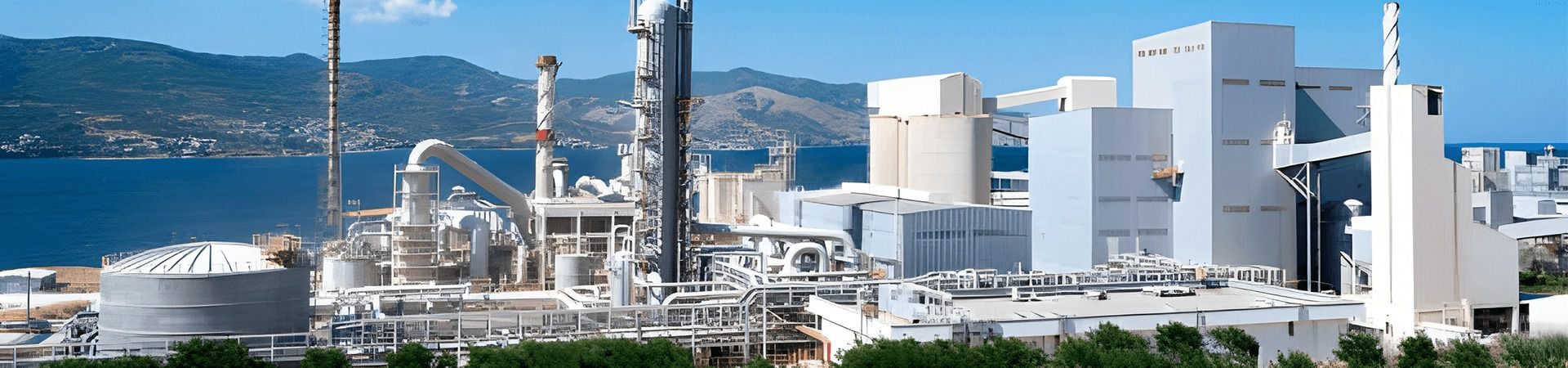
As an accredited Bisphenol A (BPA) factory, we enforce strict quality protocols—every batch undergoes rigorous testing to ensure consistent efficacy and safety standards.
| Packing | Bisphenol A (BPA) is packaged in a 500g sealed HDPE bottle, labeled with hazard symbols, product name, and safety information. |
| Container Loading (20′ FCL) | Container Loading (20′ FCL) for Bisphenol A (BPA): Packed in 25kg bags, 20-foot container holds about 16-20 metric tons. |
| Shipping | Bisphenol A (BPA) should be shipped in tightly sealed, labeled containers, protected from moisture and incompatible substances. It must comply with applicable regulations for hazardous materials transport, including appropriate packaging and documentation. During transit, BPA should be kept away from food and strong oxidizers, ensuring safety for handlers and the environment. |
| Storage | Bisphenol A (BPA) should be stored in a cool, dry, well-ventilated area, away from incompatible substances such as strong oxidizers. Store in tightly closed containers made of materials compatible with BPA, such as glass or certain plastics. Clearly label containers and keep them away from direct sunlight, heat sources, and moisture to prevent degradation and potential hazards. |
| Shelf Life | Bisphenol A (BPA) typically has an indefinite shelf life when stored in tightly sealed containers under cool, dry, and stable conditions. |
As a direct manufacturer of Bisphenol A, we focus on supplying high-purity material to major downstream sectors adopting BPA at scale in advanced formulations and automated processing. Below we detail the major real-world applications where BPA remains essential, with clarity on industry regulations, practical inclusion levels, manufacturing integration, and end-use sectors served.
Producers of polycarbonate resins use BPA as the principal diol reactant in interfacial or melt polycondensation with phosgene or diphenyl carbonate, achieving high molecular weight engineering thermoplastics. The performance of finished polycarbonate—used in automotive glazing, optical media, and architectural components—depends on the purity and control of BPA input, directly impacting polymer clarity, impact strength, and heat resistance.
Industry compliance standards
Typical usage ratio
Downstream process integration
Final product types
Epoxy resin producers rely on BPA as a difunctional monomer, reacting it with epichlorohydrin to synthesize liquid and solid epoxies. This reaction sequence directly determines the molecular weight distribution and performance criteria such as cross-linking density, chemical resistance, and thermal stability in coatings, electronic laminates, and adhesives. BPA purity and reactivity influence the color, viscosity, and glass transition behavior in downstream products.
Industry compliance standards
Typical usage ratio
Downstream process integration
Final product types
The paper conversion industry applies BPA in the dye-developer layer of thermal sensitive papers, critical for point-of-sale receipts, tickets, and informational labels. BPA’s function as a color developer, forming an intense, heat-induced color image with leuco dyes, is central to achieving durable print density and rapid image formation under a printer’s thermal head. Tight regulatory controls require precise management of residual BPA migration and exposure risk in finished products.
Industry compliance standards
Typical usage ratio
Downstream process integration
Final product types
Specialty unsaturated polyester manufacturers incorporate BPA in the oligomer backbone to enhance rigidity, hydrolytic stability, and insulation characteristics, especially for electrical potting and motor encapsulation. The BPA unit provides aromatic reinforcement, tailoring glass transition temperature and dimensional stability in winding, casting, and pultrusion techniques. BPA feed quality and addition rate need close control to avoid gelation variability and unwanted side reactions with vinyl monomers.
Industry compliance standards
Typical usage ratio
Downstream process integration
Final product types
BPA is used in controlled quantities to modify phenolic resin synthesis, modifying polymer matrix properties such as toughness, impact behavior, and stability in high-performance friction materials. This application calls for precision dosing and monitoring of reaction extent to deliver thermosetting resins with the required mechanical and thermal profile for automotive brake pads and industrial clutch plates subject to dynamic loads and elevated temperatures.
Industry compliance standards
Typical usage ratio
Downstream process integration
Final product types
Polyarylate resin manufacturing in advanced plastics sectors uses BPA as an aromatic diol component co-reacted with aromatic dicarboxylic acids. Producers value BPA for delivering transparent, high-heat, oxidation-resistant grades employed in high-specification engineering applications, including medical device housings and heat-resistant automotive parts. Processing stability and molecular uniformity hinge on the consistency and quality of BPA input.
Industry compliance standards
Typical usage ratio
Downstream process integration
Final product types
Competitive Bisphenol A (BPA) prices that fit your budget—flexible terms and customized quotes for every order.
For samples, pricing, or more information, please contact us at +8618018036652 or mail to sales6@ascent-chem.com.
We will respond to you as soon as possible.
Tel: +8618018036652
Email: sales6@ascent-chem.com
Flexible payment, competitive price, premium service - Inquire now!
Bisphenol A, often referred to as BPA, matters greatly in the world of polymer manufacturing. Over decades of production, we have seen this compound become an essential ingredient in a diverse range of plastics and resins. Each year, millions of tons find their way into thousands of manufacturing plants across the globe, underlining just how deeply BPA shapes the material foundation of daily life. In the chemical industry, few molecules have made such a lasting impact on both consumer products and industrial applications.
Our facility began manufacturing BPA many years ago. Early on, we noticed how reliably this clear, crystalline compound reacted with phosgene and epichlorohydrin, enabling high-yield production of polycarbonate plastics and epoxy resins. There is a technical elegance in watching two relatively simple starting materials, phenol and acetone, combine under precisely controlled conditions to form Bisphenol A. The reaction's exothermic nature and sensitivity to catalyst quality demand attention at every stage. Consistent purity matters—our operators know from experience that trace impurities can complicate downstream polymerization, sometimes changing the mechanical properties of the resulting plastic sheets or resins.
Most polycarbonate sheets found in electronics casings, safety glasses, automotive headlamps, and even some architectural glazing owe their strength and heat resistance directly to BPA. The secret lies in the molecule’s rigid structure. Polymers built from BPA withstand heat, mechanical stress, and exposure to many chemicals, outclassing lesser plastics in toughness and optical clarity. Many of our industrial clients report that their polycarbonate products, based on the BPA we supply, have enabled them to expand into new markets—or meet more stringent regulatory standards.
Epoxy resins built from BPA have long been the go-to material for coatings inside food and beverage cans, lining for water pipelines, and as the base for advanced adhesives. We have seen how our high-purity BPA gives their coatings a glossy, scratch-resistant, and highly adherent surface. Thanks to strong hydrogen bonding and aromatic ring stability in BPA-derived resins, our customers often cite longer performance life and fewer defects in finished products.
In our factory, BPA leaves the reactor as a white to colorless crystalline solid. The melting point usually tracks closely to 156 degrees Celsius—any substantial difference here signals a need to double-check the reaction or purification process. Experienced technicians use gas chromatography to verify that each batch remains free from challenging by-products such as isomers or oligomers. We've found that maintaining a purity of at least 99.5% (as measured by HPLC) produces the most consistent polymerization reactions, minimizing surprises during customer processing.
Moisture control is another lesson learned over the years. BPA will gradually absorb ambient water, which can interfere with polycarbonate chain extension, leading to reduced impact resistance in some sheets and panels. Rigorous drying and airtight packaging solve this problem. Dusting or caking is rare when granule size distribution remains within optimal bounds—something we monitor continuously using in-line sensors.
Our partners rely on us not just for standard-grade BPA, but also for custom tweaks. Some applications—like microelectronics encapsulation—demand an ultra-low iron content. Others want BPA with stricter color indices to prevent yellowing in end products. Each tweak requires adjustments in our separation and crystallization process. We've invested in modern columns, tighter filtration, and more precise drying ovens, all based on hard-won experience about which process levers matter most.
Ask any polymer chemist to swap Bisphenol A for a rival material, and the tradeoffs soon become clear. Alternatives like Bisphenol S and Bisphenol F have their place—sometimes for regulatory compliance, sometimes for specialized thermal performance—but neither delivers quite the same versatility. For high transparency, UV resistance, and affordable mass-scale production, BPA continues to set the benchmark.
In the manufacturing lines we supply, switching out BPA often means facing a drop in melt flow properties, sometimes visible yellowing of the polymer, or higher raw material costs. There are also practical hurdles such as reformulating catalysts or changing extrusion temperatures. Decades of research have shown BPA-derived polycarbonates to strike the best balance between processability and end-use durability.
Comparing BPA to commodity resins like polyethylene or polypropylene, the differences grow even starker. Polyethylene’s flexibility or polypropylene’s chemical inertness simply do not deliver the rigidity or clarity needed in electronics or safety gear. Plastics without aromatic backbones—unlike BPA-derived types—rarely take on heat without sagging or distorting. From producing bus shelters to high-durability smartphone cases, BPA-based polymers outperform in impact strength tests.
BPA synthesis rewards attention to detail at every level—raw material sourcing, reaction control, purification sequences, and shipping logistics. Each year, subtle changes in global phenol or acetone supply can lead to variability in feedstock composition. We have learned to maintain extra analytic checks on each incoming truck, never assuming that specifications are static. Tighter controls bring peace of mind, especially during times of market volatility.
Down the line, quality impacts can ripple far. We once heard from a customer who suffered significant losses when an alternate vendor’s BPA contaminated an industrial resin batch with trace organochlorine residues. Their repair costs, regulatory reporting, and lost production far outweighed any potential savings from a cheaper supplier. On our side, repeat batch integrity forms the cornerstone of every customer relationship, and we invest steadily in both people and process automation to protect it.
Handling spills, worker exposure, and waste disposal responsibly are part of daily life at our plant. Experienced staff train on recognizing exposure risks, proper handling techniques, and real-time air quality monitoring. On more than one occasion, strict adherence to these routines prevented near-misses from turning into serious safety incidents. It’s not just a matter of compliance, but of genuine care for the workforce and the communities around us.
BPA's high-volume use in food contact and infant products has brought scrutiny over the years. We follow the latest findings from regulatory bodies and scientific researchers about potential health effects. Some jurisdictions limit BPA use in certain applications, and we adapt quickly, offering BPA-free alternatives for sensitive markets. From firsthand experience, we know how complicated this process can be—customers often seek resins with similar durability and clarity, but with different monomeric backbones or copolymer systems.
Innovation has become a necessity as much as a differentiator. Our R&D team now works closely with material scientists to test BPA analogs, exploring everything from bio-based feedstocks to molecular tweaks aimed at lower migratory potential. These projects rarely produce instant results; new monomers face hurdles in processing consistency, supply chain security, and regulatory evaluation. Based on recent trials, some BPA alternatives deliver promising low-toxicity data, though scaling up remains a challenge given the infrastructure centered around traditional BPA.
Part of our long-term vision includes investing in closed-loop production systems, ensuring all process water is returned to use or treated thoroughly before discharge. We see waste minimization not only as a cost-saving measure but also as a moral responsibility. Since implementing tighter solvent recovery and by-product recycling, we have reduced overall emissions and maintained higher overall yields—less product loss translates to fewer environmental headaches.
Educating downstream users about proper handling of BPA-containing products is also key. Packaging suppliers, molding facilities, and end-users each play a role in responsible product lifecycle management. We support them by sharing best practices for occupational safety and environmental controls, built up over years of on-the-ground experience.
Global market swings directly affect BPA production and distribution. Each time international demand for consumer electronics spikes, the tug on BPA supply tightens. The COVID-19 pandemic, for instance, changed demand forecasts almost overnight. Remote work boosted consumer electronics, straining polycarbonate supply, but curtailed automotive assembly. Our ability to adjust production rates and downstream logistics quickly proved vital for both us and our customers.
Long relationships with upstream suppliers, especially those providing phenol and acetone, help us anticipate bottlenecks. We keep a close watch on geopolitical shifts and shipping dynamics, from port slowdowns to changing trade policies. On several occasions, we have sourced alternative freight channels or drawn down contingency stocks to prevent order delays. Customers often appreciate timely communication, because production schedules run on tight margins with limited room for disruption.
Looking forward, we see regionalization trends gathering pace. Markets in Asia, Europe, and the Americas show diverging preferences, from resin certifications to specific polymer grades. Our plant’s flexibility—honed over years of producing both large and specialty lots—means we can satisfy varied requirements with little lead time. The critical piece remains our technical team’s deep familiarity with each application sector, from automotive glazing to medical device enclosures.
Our R&D engineers spend much of their time collaborating with universities, cross-industry partners, and standards bodies. These efforts have already yielded improvements in process safety, impurity screening, and lifecycle assessment. By joining pre-competitive consortia, we keep our production and compliance teams informed about both regulatory changes and emerging science regarding BPA’s health and environmental impact.
Continual process improvements stem from insights shared at professional conferences and trade groups. Years ago, for example, a technical roundtable revealed a subtle correlation between particle size distribution in BPA and improved melt consistency in certain injection-molding lines. Such technical tweaks, invisible to outsiders, often make all the difference in application performance.
We sometimes invite customer technical staff to tour our facility or join short sprint projects. These collaborations uncover both latent customer needs and hitherto unnoticed process bottlenecks. We share honest feedback on which resin performances tie directly to BPA purity, coloration, or microstructural regularity. In return, downstream partners teach us about real-world challenges—like scrap reduction, extruder wear, or regulatory reporting stressors—which can guide our investment in QA instrumentation or process digitalization.
Sustainability cannot be a mere slogan in today’s chemical industry. Each year, our management sets new targets for energy efficiency, waste minimization, and product stewardship. Installing onsite utilities upgrades—greater heat recovery, more efficient distillation—has lowered our facility’s carbon footprint. We analyze energy consumption at every major process piping junction, always looking for optimization that does not compromise product quality.
We recognize that the lifecycle of BPA does not end at our gate. Together with downstream customers, recyclers, and regulators, we seek to extend product utility or recover value from post-use plastics. Closed-loop recycling remains a technical challenge, as not all BPA-based polymers lend themselves to cost-effective depolymerization. Still, early pilot projects using solvent-based separation or chemical recycling show promise in reclaiming both BPA and polycarbonate monomers at increasingly competitive costs.
Bio-based BPA analogs represent an exciting but technically demanding frontier. Early trial runs with plant-derived feedstocks revealed unique impurities and changes in crystallization dynamics, demanding extensive retooling and qualification. We see potential benefits for both carbon balance and niche product applications, though we remain realistic about the multi-year ramp-up required for scaling and regulatory validation.
Decades in BPA production have taught our team the value of deep process understanding and transparency with customers, regulators, and peer manufacturers. Technical challenges invariably arise, from feedstock supply snags to process control hiccups or emergent regulatory scrutiny. The willingness to openly share data, improvement lessons, and incident reports fosters a more resilient and responsible supply chain.
Open dialogue often leads to product innovation, safer plant operation, and better environmental performance. It also provides a foundation for navigating the inevitable challenges and external attention BPA sometimes attracts. Our goal remains to produce the purest and most reliable material possible, while helping both industry partners and end users apply it with informed confidence and responsible stewardship.
As the chemical landscape evolves, BPA continues to anchor many manufacturing innovations across sectors. Decades of hands-on experience, combined with a spirit of continuous improvement and collaboration, will continue to shape our approach—balancing production reliability, application flexibility, and environmental responsibility in every batch we deliver.